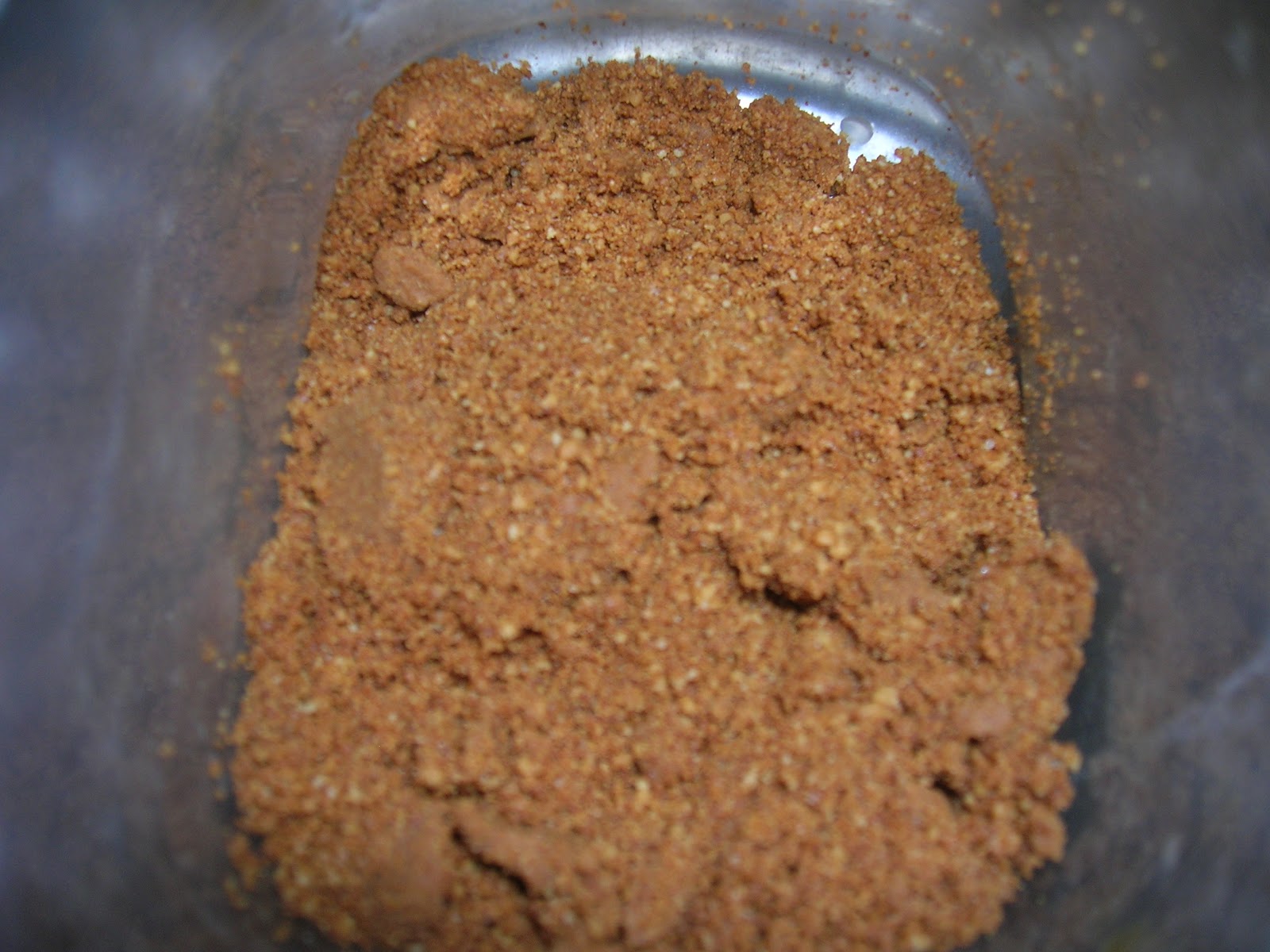
Take a cup of khoya and add three tsp of sugar on it, keep on stirring till sugar dissolves and turns choclate brown. Blend it and store powder in air-tight container
Discover authentic Indian recipes, from comforting curries to popular street food. Easy-to-follow, step-by-step recipes for home cooks!
Monday, 29 October 2012
Roasted khoya powder
Take a cup of khoya and add three tsp of sugar on it, keep on stirring till sugar dissolves and turns choclate brown. Blend it and store powder in air-tight container
Rai Ki Doodhi Recipe | Oriya Style Bottle Gourd in Mustard Gravy
An authentic Oriya-style curry, Rai Ki Doodhi brings a unique twist by using mustard seeds (rai) as the base of the gravy instead of just for tempering. This simple yet flavourful dish has a mildly pungent aroma with a creamy, spicy texture that pairs beautifully with chapathi or steamed rice. A comforting traditional recipe introduced to me by my neighbour — and definitely worth trying!
Ingredients Required
- 2 cups bottle gourd, chopped and deseeded
- 6–7 garlic cloves
- 2–3 dry red chillies
- 4 tsp mustard seeds (rai)
- 3 tsp oil
- ½ tsp mustard seeds (rai) for tempering
- ½ tsp cumin seeds (jeera)
- A few curry leaves
- 2–3 tsp chopped onions
- A pinch of turmeric powder (haldi)
- Salt to taste
Method
- Grind mustard seeds, garlic, and dry red chillies into a smooth paste using little water.
- Combine the mustard paste with chopped bottle gourd, turmeric powder, and salt. Pressure cook for 1 whistle.
- Heat oil in a pan and prepare the tempering with mustard seeds, cumin seeds, curry leaves, and chopped onions. Sauté until the onions turn light golden.
- Add the tempering to the cooked bottle gourd mixture and mix gently.
- Serve hot with chapathi or steamed rice.
Kadaai Kobhi Recipe | Maharashtrian Baby Cabbage Dry Sabzi | Easy Indian Cabbage Stir Fry
Kadaai Kobhi is a simple yet flavourful Maharashtrian-style dry sabzi prepared using tender baby cabbages, aromatic spices, curd, and onions. This easy Indian cabbage stir fry is perfect to serve with dal rice, sambhar, rassa, or soft rotis.
The mild crunch of baby cabbages combined with garam masala, jeera, dhaniya powder, and green chillies gives this dish a comforting homemade taste. The addition of dahi adds a subtle tanginess and helps coat the cabbage beautifully with spices.
Ingredients Required
- ½ tsp jeera (cumin seeds)
- 1 green chilli, roughly broken
- 4 tsp finely chopped onions
- 2 tsp dahi (curd/yogurt)
- 10–12 baby cabbages
- Salt to taste
- ½ tsp garam masala
- ½ tsp red chilli powder
- 1 tsp dhaniya powder (coriander powder)
- 1 tsp jeera powder (cumin powder)
- A pinch of haldi (turmeric powder)
- Coriander leaves and lemon slices for garnish
- 3 tsp oil
Method
Heat oil in a kadaai and add jeera seeds. Allow them to crackle before adding the broken green chilli and chopped onions. Sauté until the onions turn light golden brown.
Next, add turmeric powder, chilli powder, dhaniya powder, jeera powder, garam masala, and salt. Mix well and stir in the dahi to create a flavourful masala base.
Add the baby cabbages and gently coat them with the masala. Cover and cook on low flame for about 15 minutes, stirring occasionally, until the cabbages become tender and well cooked.
Garnish with fresh coriander leaves and serve hot with dal rice, sambhar, rassa, or rotis.
Tangy Mint Chutney Recipe | Refreshing Pudina Coconut Chutney
A fresh and flavourful chutney can instantly elevate any meal, and this tangy mint chutney is one such versatile accompaniment. Made with fresh mint leaves, coriander, coconut, and curd, this chutney has the perfect balance of freshness, creaminess, and spice.
The addition of amchoor powder gives it a mild tangy twist, making it an excellent side dish for snacks, sandwiches, dosa, idli, pakoras, or even chapathi rolls. This quick and easy chutney comes together in just a few minutes and adds a burst of flavour to everyday meals.
Ingredients Required
- 1 big handful of mint leaves
- ½ onion
- 1 medium-sized piece of coconut
- 2 green chillies
- ½ cup coriander leaves
- ¼ cup curd
- Amchoor powder (optional)
- Salt to taste
Method
- Wash the mint leaves and coriander leaves thoroughly.
- Add mint leaves, coriander leaves, onion, coconut, green chillies, curd, salt, and amchoor powder to a mixer jar.
- Grind everything into a smooth and creamy paste by adding little water if required.
- Transfer to a serving bowl and serve fresh with snacks or meals.
This tangy mint chutney is a quick and refreshing recipe that pairs beautifully with a variety of Indian dishes. The freshness of mint and coriander combined with creamy coconut and curd creates a delicious balance of flavours. Whether served with breakfast, snacks, or main meals, this easy homemade chutney is sure to become a regular favourite in your kitchen.
Sakkarpoori Recipe | Crispy Sugar Coated Layered Poori Dessert
Hi guys! This is my 50th blog post, so I wanted to make it extra special — and what better way than with a traditional sweet treat? Sakkarpoori is a crispy, flaky, layered dessert coated with fragrant sugar and cardamom powder. It is crunchy, mildly sweet, and absolutely addictive with a cup of tea or coffee.
The beauty of this recipe lies in its delicate layers, which are created using a simple rice flour paste called satta. Though it may look slightly elaborate, the end result is truly worth the effort!
Ingredients Required
For Dough
- 2 cups maida
- ¼ tsp salt
- Water as required
For Satta (Layering Paste)
- 3 tsp rice flour
- 2–3 tsp vanaspati or oil
Other Ingredients
- ½ cup sugar
- 6–7 cardamom pods
- Oil for deep frying
Method
Step 1: Prepare Sugar Powder
Powder the sugar along with cardamom pods and keep aside.
Step 2: Prepare Dough
Knead maida with salt and water into a smooth and soft dough. Cover with a wet muslin cloth and let it rest for 1 hour.
Step 3: Prepare Satta
Mix rice flour and vanaspati/oil into a smooth paste-like consistency. This paste helps create flaky layers in the poori.
Step 4: Roll Chapathis
Divide the dough into medium-sized balls. Roll four balls into large thin chapathis.
Step 5: Layer the Chapathis
Place one chapathi and apply a thin layer of satta evenly. Place another chapathi over it. Repeat the process until all four chapathis are layered together.
Step 6: Roll into Cylinder
Carefully roll the layered chapathis tightly from one end to another to form a thick cylinder.
Step 7: Cut into Pieces
Cut the cylinder into small equal-sized pieces.
Step 8: Roll into Pooris
Place each piece sideways so the layered curves are visible. Roll gently into small pooris.
Step 9: Deep Fry
Deep fry the pooris in hot oil until crisp and golden.
Step 10: Coat with Sugar
While the pooris are still hot, sprinkle the sugar-cardamom powder generously so it coats well.
Serve crispy and fresh!
Tips for Beginners
- Apply only a thin layer of satta; thick layers can make the pooris soggy.
- After making the cylinder, rest it under a wet muslin cloth for not more than 20 minutes. Longer resting may turn the pooris reddish after frying.
- Sprinkle sugar powder while the pooris are hot for better coating.
- Store in an airtight container; Sakkarpoori stays fresh for up to a month.
- For beginners, it is easier and more fun to prepare this recipe with at least one more person helping.